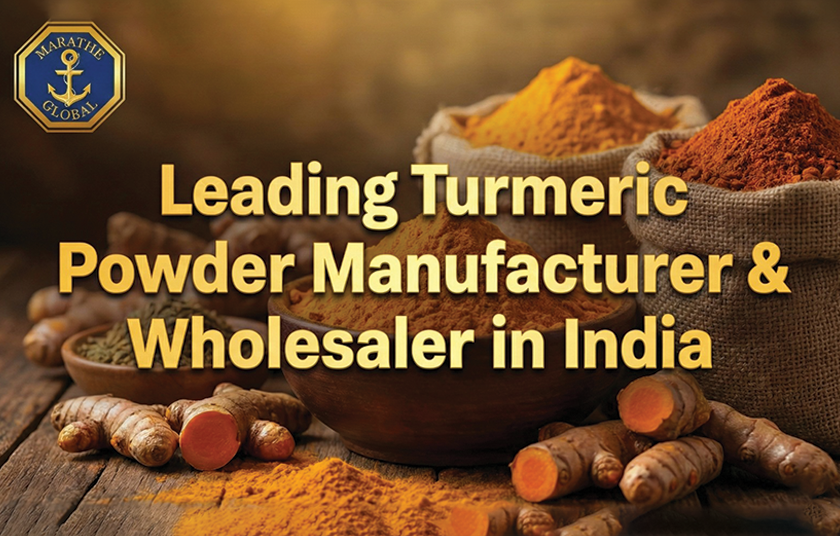
Looking to source premium turmeric powder in bulk? Here’s what to know before you buy.
For centuries, turmeric has been India’s golden gift to the world — colouring curries, healing wounds, and now powering billion-dollar industries in food, cosmetics, and pharmaceuticals. From the spice shelves of Europe to wellness aisles in the US, turmeric powder and turmeric oil have become global essentials.
But as the demand grows, so does the confusion. With hundreds of exporters offering similar claims, how do you know which turmeric supplier in India truly delivers purity, consistency, and reliability at scale?
Let’s break it down — five grounded tips to help you pick a partner who values quality as much as you do.
India grows over 80% of the world’s turmeric, with key production hubs in Erode (Tamil Nadu), Sangli (Maharashtra), Nizamabad (Telangana), and Salem (Tamil Nadu). Each region’s soil and climate shape the spice’s curcumin level, colour, and aroma.
The typical journey looks like this:
→ Farmers harvest raw turmeric fingers
→ Processing units clean, boil, and dry them
→ Exporters grind them into turmeric powder or extract turmeric oil through distillation
A quick truth check — higher curcumin doesn’t always mean better quality. Certain food industries prefer milder turmeric for colour consistency and taste balance. The best exporters understand this nuance and tailor batches for your purpose, not just your curiosity.
In global trade, lab testing isn’t optional. Reliable suppliers provide reports showing curcumin content (usually 2–5%), moisture levels below 10%, and zero contamination.
Here’s what defines high-quality turmeric powder:
Rich golden hue — natural, not chemically enhanced.
Strong aroma — a clean, earthy scent, never musty.
Fine texture — smooth and consistent, no grit.
Always look for certifications like FSSAI, ISO, or APEDA, which signal purity and export readiness. Don’t hesitate to request a sample — genuine suppliers encourage it.
The export market runs on compliance. A certified turmeric supplier not only ensures quality but also saves you from customs or rejection issues abroad.
Key global standards include:
HACCP (Hazard Analysis Critical Control Point) for hygiene control.
GMP (Good Manufacturing Practices) for consistent processing.
Organic certifications for chemical-free cultivation and handling.
If you’re sourcing turmeric oil, ask about the extraction method. The best exporters use steam distillation or CO₂ extraction, preserving natural aroma and essential compounds.
These certifications aren’t just labels — they’re your guarantee that the turmeric has travelled the right path from soil to shipment.
The real difference between average and trusted exporters lies in how they source.
Look for suppliers who:
Work directly with farmers to ensure traceability.
Follow ethical and sustainable sourcing models.
Maintain consistent quality by avoiding middlemen.
Sustainability isn’t marketing fluff — it impacts the turmeric’s purity and shelf life. Suppliers who invest in fair trade and soil health also tend to offer long-term stability in quality and pricing.
Price tells a story. If a supplier’s quote looks too good, it probably hides shortcuts — diluted powder, synthetic colouring, or poor packaging.
Legitimate exporters maintain transparent pricing structures and explain cost variations openly. They’ll detail their packaging options — 25 kg PP bags, vacuum-sealed packs, or moisture-resistant laminates — all designed to retain aroma and prevent microbial growth during transit.
Before locking a bulk order, request a small sample batch. A reputable exporter will gladly share it, knowing their product can speak for itself.
Reputation isn’t built overnight — it’s earned container by container.
A trusted turmeric supplier often has:
Years in trade with consistent clients.
Verified listings on APEDA, FIEO, or IndiaMART.
Transparent trade documentation and open communication.
Pay attention to their response time, clarity in shipping terms, and willingness to adapt packaging or blend as per your region’s compliance. Post-sale communication is as vital as the first handshake.
Let’s clear up a few misconceptions that often mislead buyers:
Myth 1: “Only bright yellow means pure turmeric.” → Artificial colouring can enhance brightness; purity comes from testing, not appearance.
Myth 2: “Higher curcumin = better for all uses.” → Not true — culinary, cosmetic, and medicinal needs differ.
Myth 3: “All turmeric oil is the same.” → Extraction techniques and origin determine oil quality and potency.
Understanding these distinctions helps you buy smarter — and avoid glossy shortcuts.
Beyond powder, turmeric oil is an emerging hero in the export market. Rich in ar-turmerone and other bioactive compounds, it’s used in aromatherapy, skincare, and natural medicine.
Top exporters now offer turmeric essential oil alongside powder, helping buyers diversify their product portfolio. For importers, it’s a high-margin addition that elevates brand value while staying within the turmeric family.
Choosing the right wholesale turmeric supplier isn’t about price tags or promises — it’s about proof, ethics, and reliability. The five filters are simple:
Quality, Certification, Sourcing, Packaging, and Reputation.
A credible partner checks all five.
That’s where Marathe Global stands out — an ethical exporter based in Mumbai, committed to delivering premium-grade turmeric powder with verified 3% curcumin content, and pure turmeric oil extracted through global-standard methods. Each consignment reflects their values of consistency, compliance, and client trust.
If your business seeks a supplier who blends Indian heritage with modern trade precision, Marathe Global is worth your next inquiry. Their spice is golden — and so is their word.
.png)
.png)