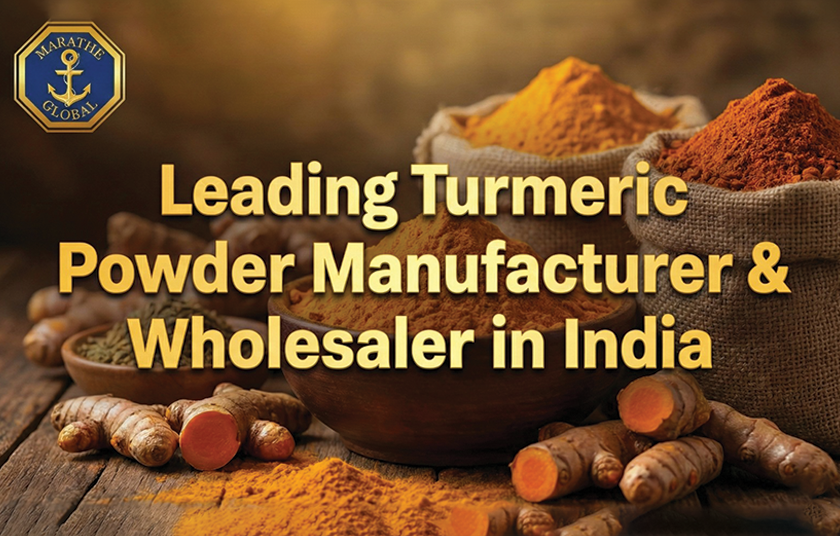
Every culture has its “hero spice.” For India, and now much of the world, that spice is turmeric. Its golden hue doesn’t just color curries — it carries centuries of healing traditions, market dominance, and scientific recognition. This is why the world calls it the golden spice, and why the center of that story always leads back to Indian turmeric powder.
In India, turmeric has always been more than seasoning. It’s ritual. It’s protection. It’s healing. Families mix turmeric into milk for immunity, apply it to wounds for recovery, and use it in wedding ceremonies as a symbol of purity and prosperity.
For Ayurveda, turmeric wasn’t just a kitchen ingredient; it was medicine. Its natural compounds were seen as tools for cleansing and restoring balance in the body. This spiritual and medicinal duality gave Indian golden spice turmeric a depth that no other spice could rival. That same reverence lives on today, though now it’s backed by global science and wellness industries.
India supplies almost four-fifths of the world’s turmeric. The phrase turmeric powder export from India is not just trade language — it reflects a global reliance on one country’s soil and farmers.
The dominance comes from two things: nature and expertise. India’s climate produces turmeric with unmatched aroma and color. Its farming traditions ensure consistency across generations. And exporters know exactly how to meet international demands — from FDA approvals in the US to EU pesticide compliance.
Other nations may grow turmeric, but India defines the standard by which all turmeric is measured.
Turmeric’s global rise rests on one compound: curcumin. It gives the powder its deep golden color and powerful medicinal profile. Research links it to anti-inflammatory benefits, improved brain function, and even potential roles in cancer prevention.
Here’s where India’s strength becomes undeniable. Regions like Salem, Sangli, and Alleppey consistently produce curcumin-rich turmeric powder with higher potency than many global competitors. While curcumin levels in some countries hover around 1–2%, Indian turmeric often measures 3–5% — a difference that directly influences quality, demand, and pricing in the export market.
For buyers, the details matter more than the story. A few crucial insights:
Regional varieties: Alleppey turmeric is prized for deep orange tones, Salem turmeric for smooth texture, and Sangli turmeric — often called the best turmeric powder in the world — for its balanced aroma and strength.
Purity and compliance: Importing turmeric isn’t just about taste. Certifications, pesticide checks, and hygiene standards can determine whether a shipment clears customs or gets rejected.
Rising preference for organic: Demand for organic turmeric powder India is climbing rapidly, especially in health-driven markets. Buyers who invest here reduce compliance risks and appeal to premium customers.
Packaging and logistics: A turmeric’s value can be lost in transit. Exporters who ensure airtight packaging and traceable supply chains protect not just the product but the buyer’s reputation.
These aren’t details to overlook. They’re the difference between profitable trade and costly mistakes.
So what truly earns Indian turmeric the title of the golden spice? It’s the rare blend of three forces: cultural legacy, agricultural richness, and global trust.
Yes, turmeric grows in Vietnam, Myanmar, and South America. But no other origin delivers the same scale, curcumin levels, or reputation for quality. When global buyers ask for turmeric, what they really want is Indian turmeric. And when health brands label their products, they often highlight it with pride: “Made with Indian turmeric.”
That’s not marketing. That’s recognition of authenticity.
Consider a nutraceutical company in Europe that once sourced turmeric from multiple countries. They struggled with fluctuating curcumin levels, irregular supply, and certification issues.
When they switched to sourcing premium turmeric powder for export from India, the results were immediate. Quality stabilized. Documentation became reliable. Marketing campaigns gained credibility because customers trusted Indian turmeric more.
The company’s revenues grew, not because they changed their formula, but because they changed their origin. That’s the weight India carries in the turmeric trade.
The turmeric industry is expanding fast. In 2024, the global turmeric market crossed USD 4 billion, and forecasts project even higher growth. Driving this surge is a massive rise in demand for organic turmeric powder India, especially in North America and Europe.
Another key trend is the transformation of the supply chain. Bulk turmeric powder suppliers India are now investing in advanced processing — from steam sterilization for food safety to automated grinding for consistent texture. Meanwhile, pharmaceutical demand is beginning to outpace food usage, signaling turmeric’s future may be written more in labs than in kitchens.
Behind every golden shipment lies a long journey. Farmers harvest rhizomes, boil, dry, and polish them. Exporters grind them into fine powder, ensuring no contamination. Then come checks for curcumin levels, purity, and packaging standards before shipping.
This process is where bulk turmeric powder suppliers India prove their worth. A weak link in the chain can ruin consignments. But reliable suppliers ensure consistency, compliance, and trust. For global buyers, this reliability is what turns a supplier into a long-term partner.
So why is Indian turmeric powder the world’s golden spice? Because it has carried its identity from sacred rituals to modern science without losing its essence. It dominates markets not just in volume, but in credibility.
Turmeric may color food, but Indian turmeric colors trust. For buyers, sourcing here isn’t only a commercial decision. It’s joining a legacy where soil, science, and tradition meet. And with exporters like Marathe Global in Mumbai leading the way, the golden spice is set to shine even brighter on the world stage.
.png)
.png)